
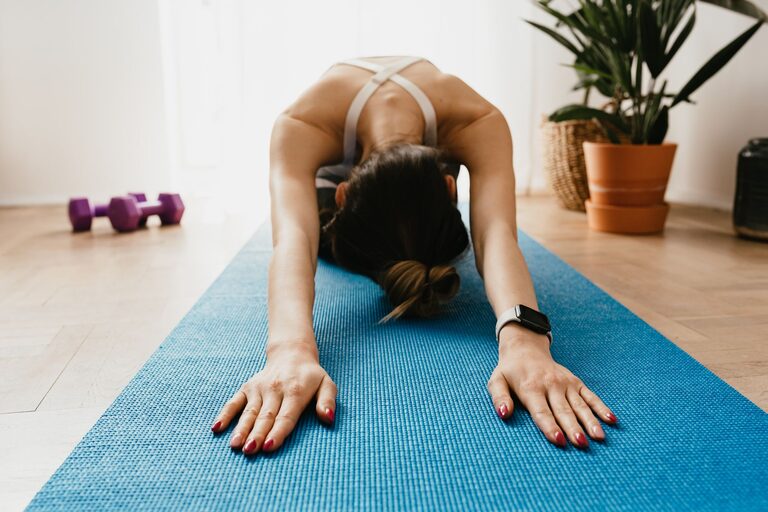
A Beginner’s Guide to Stretching at Home for Flexibility and Relaxation
Stretching is a simple and accessible way to enhance your physical health right from the comfort of your home. Whether you want to increase flexibility, relieve muscle tension, or just add a calming routine to your day, stretching can offer numerous benefits with minimal time and no special equipment needed. This beginner’s guide will walk you through the basics of stretching, some easy-to-follow exercises, and tips to make stretching a regular and enjoyable habit.
Why Stretch at Home?
Stretching at home has several advantages:
– Convenience: No need to go to a gym or a class.
– Cost-effective: No equipment or memberships required.
– Personalized pace: You can stretch as long and as often as you like.
– Stress relief: Stretching also promotes relaxation and mental calmness.
Incorporating stretching into your daily routine can improve your posture, increase blood flow to muscles, and reduce stiffness from sitting or inactivity.
Basic Principles of Stretching
Before diving into stretches, it’s important to understand a few key principles to avoid injury and maximize benefits:
Warm Up First
Always start with a light warm-up like walking in place or gentle arm circles for 3-5 minutes. Stretching cold muscles can lead to strains.
Stretch Slowly and Gently
Ease into each stretch gradually, feeling the tension but not pain. Hold each stretch steady without bouncing.
Breathe Normally
Focus on slow, deep breaths to help your muscles relax.
Hold Time
Aim to hold each stretch for about 15-30 seconds. Repeat 2-3 times if you wish.
Stretch Both Sides
If you stretch one side of the body, be sure to do the other side equally.
Types of Stretching
There are several types of stretching, but for beginners at home, two main types are ideal:
Static Stretching
This involves holding a stretch in a comfortable position without movement. It’s great for overall flexibility and is usually done after a warm-up or workout.
Dynamic Stretching
Dynamic stretches involve moving parts of your body through a full range of motion, like gentle leg swings or arm swings. This can be a good warm-up before physical activity.
Easy Stretches to Try at Home
Here are some beginner-friendly stretches you can start with. Perform these daily or every other day for best results.
Neck Stretch
– Sit or stand tall.
– Slowly tilt your head to one side, bringing your ear toward your shoulder.
– Hold the stretch for 20 seconds.
– Repeat on the other side.
Shoulder Roll
– Stand or sit with your back straight.
– Roll your shoulders forward in a circular motion 10 times.
– Then roll them backward 10 times.
Chest Stretch
– Stand near a wall or doorway.
– Place your palm against the surface with your arm extended.
– Slowly turn your body away from your arm to stretch your chest.
– Hold for 20 seconds on each side.
Seated Forward Bend
– Sit on the floor with your legs extended straight.
– Slowly reach forward toward your toes, keeping your back straight.
– Only reach as far as comfortable.
– Hold for 20-30 seconds.
Cat-Cow Stretch (Spinal Mobility)
– Get on your hands and knees on the floor.
– Inhale, arch your back, lifting your head and tailbone (Cow Pose).
– Exhale, round your back, tucking chin and pelvis (Cat Pose).
– Repeat 8-10 times slowly.
Hamstring Stretch
– Lie on your back.
– Lift one leg up, holding behind your thigh or calf.
– Keep your leg straight or slightly bent.
– Hold for 20 seconds and switch legs.
Quadriceps Stretch
– Stand next to a wall or hold on to a chair for balance.
– Bend one knee and bring your heel toward your buttocks.
– Hold your ankle with your hand.
– Keep knees close and stand tall.
– Hold for 20 seconds and switch legs.
Tips for Creating a Stretching Routine
– Set a regular time: Morning or before bed works well for many people.
– Create a comfortable space: A yoga mat or carpeted area is ideal.
– Start small: Begin with 5-10 minutes and gradually increase.
– Stay consistent: Daily stretching yields the best flexibility improvements.
– Listen to your body: Never push into pain.
– Combine with other activities: Stretching complements walking, yoga, and light exercise.
When to Be Cautious
– If you have injuries or medical conditions, consult a healthcare professional before starting.
– Avoid stretching muscles that are inflamed or very painful.
– Do not stretch cold muscles without warming up.
– Avoid holding your breath or bouncing during a stretch.
Final Thoughts
Stretching is a valuable habit that anyone can adopt to improve mobility, reduce stress, and feel more energized. By beginning with gentle, safe stretches at home, you can build a foundation for better physical health and relaxation. Remember, the key is to be patient and consistent, and soon you’ll notice positive changes in how your body feels and moves.
Start today with just a few simple stretches, and enjoy the benefits of a more flexible, relaxed you!
